The Complete Guide to Tree Trimming Seasons in South Florida's Unique Climate
Marcus Thompson moved to Plantation from Michigan in 2019, bringing with him prevalent expertise approximately tree care timing gleaned from forty years of northern estate ownership. In Michigan, autumn represented premier tree trimming season, taking talents of dormancy prior to iciness arrived. Following this good judgment, Marcus scheduled his first South Florida tree trimming for November, reasoning that cooler climate signaled the properly time for preservation.
His tree provider specialist lightly corrected this misconception. In South Florida's subtropical local weather in which many trees under no circumstances somewhat cross dormant and storm season extends as a result of November, timing considerations fluctuate dramatically from northern states. The arborist explained that Marcus's stay okay may merit from iciness trimming, however his mango tree need to wait until after fruiting, his hands necessary interest before storm season, and his ficus timber might be trimmed very nearly any time except at some stage in new boom flushes.
Marcus's enjoy highlights a truth that confounds many freshmen to South Florida and even longtime citizens who haven't delved deeply into genuine tree care: our year-around growing season, hurricane vulnerability, and varied combine of tropical, subtropical, and temperate species create distinctive timing standards. Understanding those seasonal considerations ensures tree trimming complements wellbeing and fitness and safety as opposed to growing problems.
Why South Florida Tree Care Differs From National Guidelines
Most tree care news on hand online, in books, and from northern-based mostly authorities assumes temperate local weather prerequisites with unusual seasons, winter dormancy, and becoming styles that effortlessly don't apply in South Florida. Following primary nationwide regulations in Fort Lauderdale, Hollywood, or Davie can lead to terrible outcomes, restless timber, and wasted fee.
True dormancy infrequently happens in South Florida's weather the place winter temperatures seldom dip under 50 ranges for multiplied intervals. While tree increase slows at some point of cooler months from December thru February, most species proceed a few metabolic hobby all the way through the 12 months. This ongoing pastime capability wounds from trimming do not seal as wholly at some stage in iciness as they would in actually dormant northern bushes, requiring completely different wound leadership approaches.
Year-round pest and disorder power creates constant vulnerability that northern climates do not trip. In temperate regions, wintry weather freezes kill many pathogens and bugs, presenting herbal disorder breaks. South Florida's easy winters let fungal spores, bacterial populations, and insect pests to persist yr-round. Trimming wounds can changed into an infection sites even with season unless relevant procedure and timing shrink exposure.
Hurricane season from June via November overrides all other seasonal issues for South Florida tree care. While northern tree care would possibly attention on fighting winter ice wreck or spring storm breakage, South Florida's generic structural situation comprises preparing timber for winds which may exceed one hundred mph. This quintessential change shifts top-quality trimming timing toward pre-typhoon coaching rather than submit-storm cleanup.
Tropical and subtropical species fashioned in South Florida landscapes including mango, avocado, varying fingers, and dissimilar ornamentals practice diverse phenological styles than temperate species. These bushes might also flower, fruit, and flush new development on schedules bearing no relationship to calendar seasons. Understanding species-one-of-a-kind timing turns into important for trimming that enhances other than disrupts normal cycles.
Rainfall styles outcome trimming selections in techniques inappropriate to northern climates. South Florida's unique rainy season from May by way of October and dry season from November as a result of April have effects on illness unfold, wound therapeutic, and tree tension ranges. Trimming throughout periods of prime humidity and ordinary rain increases sickness transmission menace, whereas dry season trimming lets in swifter wound closure with cut back inflammation prices.
Heat rigidity issues all the way through South Florida's summer season months create trimming constraints unknown in temperate areas. Major structural pruning at some point of peak summer season heat can tension bushes already suffering with high temperatures, doubtlessly triggering decline. This hindrance exists even for effectively-watered trees, because the combo of heat, humidity, and pruning tension can crush tree defenses.
Species-Specific Trimming Schedules for Tropical Climate
The diversity of species thriving in South Florida landscapes needs adapted systems to trimming timing. Generic seasonal pointers fail to account for the targeted biology and environmental responses of other tree kinds, very likely causing more damage than merit.
Live alrighttrimming achieves exceptional consequences during past due iciness from January using March. While these timber do not wholly dormant, their growth slows all through cooler months, permitting pruning wounds to seal prior to spring boom acceleration. This timing also precedes storm season, making certain structural improvements are in area earlier typhoon threats emerge. Late wintry weather trimming minimizes o.k.wilt affliction hazard, regardless that this devastating pathogen continues to be rare in South Florida when put next to critical and northern quantities of the country.
Royal palms and different great palm species advantage from trimming in late spring, traditionally April because of early May. This timing gets rid of dead fronds and seed pods ahead of typhoon season even though warding off the iciness months when arms show minimal boom and reduced wound response. However, avoid over-pruning palms via getting rid of only absolutely useless fronds and those putting underneath horizontal. Current arboricultural science demonstrates that getting rid of efficient fronds stresses arms and reduces their wind resistance.
Mango trees require careful timing coordination with fruiting cycles. These invaluable fruit timber need to take delivery of structural pruning instant after harvest, customarily late summer season through early fall in South Florida. Trimming earlier flowering removes viable fruit construction, even though trimming for the period of fruit pattern can motive fruit drop. Post-harvest timing permits trees to recuperate prior to a higher flowering cycle at the same time addressing structural concerns prior to typhoon season ends.
Ficus species, regardless of whether ornamental or the invasive but universal Benjamin fig, tolerate trimming yr-circular yet respond handiest for the period of active enlargement sessions from April due to October. These speedy-transforming into bushes temporarily compartmentalize wounds and generate new improvement to substitute got rid of branches. However, ficus trimming for the duration of lively growth requires vigilance against fungal ailments that thrive in hot, humid situations. Professional arborists continuously practice wound dressings to giant ficus cuts, however this prepare stays debatable for maximum tree species.
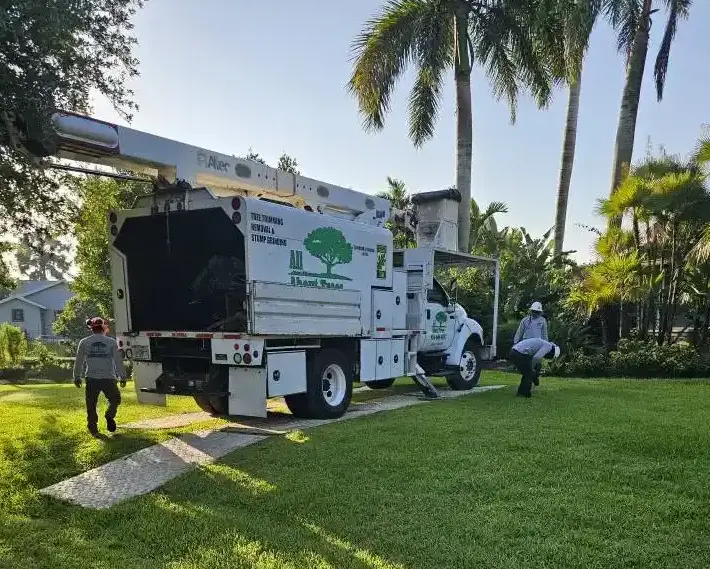
Citrus bushes in residential landscapes receive advantages from trimming in late iciness prior to spring bloom. This timing shapes trees for most excellent fruit production even as eradicating useless wooden and thinning dense canopies that sell infirmity. Avoid considerable citrus trimming at some point of active fruiting, as tension can set off fruit drop. Post-harvest trimming is appropriate yet can provide less time for recuperation prior to the subsequent flowering cycle.
Pre-Hurricane Season Preparation Timeline
Hurricane preparedness drives South Florida tree trimming timing greater than some other issue. The six-month typhoon season calls for strategic making plans that balances ideal trimming timing for tree overall healthiness with the principal of structural coaching formerly storms threaten.
January using March represents the best window for fundamental structural pruning and crown relief work. These cooler months provide a number of key merits: slower tree development permits larger wound reaction, diminished infirmity drive minimizes illness hazard, of completion effectively earlier than hurricane season starts offevolved ensures bushes have months to compartmentalize wounds, and tree carrier availability is still top earlier the spring rush begins.
Major structural work at some stage in this wintry weather window deserve to cognizance on opting for and cutting off vulnerable department attachments, reducing multiplied limbs that create immoderate wind loading, thinning dense canopies to permit wind passage, and taking out lifeless picket that would became hazardous projectiles. This aggressive pruning can do away with 20 to 30 percent of cover density devoid of harming match bushes, dramatically bettering typhoon survivability.
April and May serve as the very last instruction window before typhoon season formally starts offevolved June 1st. Property vendors who missed the top-rated winter trimming period can still reap outstanding danger reduction through overdue spring paintings. However, this timing coincides with top demand as many property householders scramble for final-minute preparation, probably ensuing in lengthy wait times and top rate pricing.
Late spring trimming will have to prioritize the so much fundamental defense issues adding branches overhanging constructions, lifeless picket removal, and trees with evident structural defects. More substantial cosmetic or growth administration work may still be deferred unless after hurricane season except different problems call for instantaneous focus. The goal shifts from finished cover management to specific possibility relief.
Memorial Day Weekend has emerged as an unofficial closing date in South Florida's tree care market. Companies report that estate vendors who haven't scheduled hurricane practise trimming by way of late May in most cases struggle to to find out there carrier formerly season starts offevolved. This timing strain can pressure assets house owners into accepting upper fees or much less thorough work than optimum preparation could include.
June trimming, whilst that you can imagine, overlaps with early typhoon season while storms once in a while develop. Arborists on the whole counsel against substantive trimming after June 1st unless addressing apparent dangers. The threat of getting partially trimmed timber whilst a storm arrives, developing unbalanced canopies more vulnerable than if untrimmed, outweighs benefits of marginally more advantageous structural guidance.
Mid-season trimming from July by using September have to be restrained to emergency chance elimination simplest. Any tree detrimental ample to warrant trimming at some point of lively typhoon season provides such extreme menace that elimination instead of trimming customarily makes extra feel. Non-emergency paintings during this era creates needless vulnerability if storms broaden swiftly.
Post-Storm Recovery Trimming Protocols
The interval following hurricanes or critical thunderstorms requires the several trimming techniques than pre-season practise or activities renovation. Storm-damaged bushes current enjoyable challenges and alternatives that official arborists tackle with the aid of systematic post-hurricane protocols.
Immediate post-hurricane evaluation specializes in security dangers requiring emergency response. Trees or huge branches resting on platforms, blocking off roadways, or tangled in drive lines need specialist emergency tree provider despite broader trimming schedules. These cases demand on the spot consciousness to keep accidents and permit network healing.
Secondary evaluation within two to 4 weeks after primary storms evaluates much less glaring break consisting of in part damaged branches still attached, cracks in main limbs or trunks, root heaving that compromised balance, and cover imbalance from uneven department loss. This damage may not look instantaneously dangerous yet can bring about not on time screw ups weeks or months later without ideal intervention.
Recovery trimming gets rid of damaged picket even though conserving as so much match canopy as potential. Storm-damaged trees mostly lose superb canopy, and competitive extra trimming can push confused bushes into deadly decline. Professional arborists balance hazard removing with the desire to preserve enough photosynthetic skill for tree recuperation.
Timing restoration trimming requires balancing a number of aspects. Immediate elimination of broken branches prevents their eventual fall and decreases access features for decay organisms. However, bushes below critical rigidity from storms may possibly advantage from a waiting interval allowing review of which branches will live on previously making ultimate trimming decisions. Professional arborists examine each one situation separately.
Wound cure becomes extraordinarily fantastic for storm spoil growing wide torn or broken branches. Unlike smooth pruning cuts that timber compartmentalize without difficulty, ragged typhoon wounds present significant access web sites for pathogens. Professional trimming cleans up those wounds because of true cuts that eliminate torn bark and establish smooth edges, facilitating tremendous tree response.
Fertilization and supplemental care typically accompany post-typhoon restoration trimming. Trees that misplaced terrific canopy may just receive advantages from light fertilization to beef up new progress, when acceptable irrigation supports careworn trees maintain traditional metabolism. However, immoderate fertilization of typhoon-damaged trees can push boom past what compromised root techniques can beef up, requiring skilled judgment about most appropriate intervention ranges.
Winter Dormancy Considerations for South Florida
While accurate dormancy infrequently happens in South Florida, the cooler months from December by using February create stipulations that affect trimming selections and outcomes. Understanding how minimal dormancy affects tree care timing facilitates optimize consequences.
Growth slowdown all over iciness months potential bushes have lowered potential to generate new boom that compensates for removed branches. This challenge requires extra conservative trimming strategies than for the duration of lively transforming into season. Removing 30 % of canopy at some point of summer time helps fast regrowth inside of months, at the same time as the related aggressive iciness trimming might also take a complete 12 months for accomplished restoration.
Reduced pathogen interest all over cooler months creates a disorder capabilities for winter trimming. Many fungal sicknesses that plague South Florida bushes instruct reduced endeavor when temperatures drop under 70 tiers for multiplied sessions. This traditional sickness strain relief makes wintry weather an captivating trimming season despite the expansion slowdown considerations.
Wound closure costs sluggish all the way through iciness but still happen at ranges most unlikely in truly chilly climates. South Florida's moderate winters allow ongoing but lowered cambial task that steadily compartmentalizes pruning wounds. This slower closure calls for extra consciousness to suited cutting strategy, as wounds continue to be vulnerable to pathogen access for longer classes.
Deciduous tree trimming mostly happens throughout winter dormancy to lower stress and allow clean visualization of branch layout with out leaf interference. South Florida's restrained deciduous species consisting of bald cypress, deciduous magnolias, and distinctive alright keep on with this typical pattern. Winter trimming of those species delivers the equal merits it promises in northern climates.
Evergreen species consisting of most South Florida bushes don't give the branch shape visualization gain that deciduous all about trees fort lauderdale timber supply for the time of iciness. For those trees, winter trimming advantages come more often than not from lowered infirmity drive and pre-hurricane guidance rather then accelerated running prerequisites or tree biology blessings.
Cold injury restore might be invaluable following infrequent freeze situations that break tropical and subtropical species. South Florida's occasional iciness freezes can kill branch recommendations and foliage on delicate species together with mango, avocado, and specified arms. However, break evaluation could wait numerous weeks until the entire quantity turns into obvious, as seemingly lifeless tissue once in a while recovers.
Coordinating Trimming With Flowering and Fruiting Cycles
Many South Florida landscape trees offer decorative flora or fit to be eaten fruit that provides worth and enjoyment to residences. Trimming timing that disrupts these cycles eliminates benefits and almost certainly reduces belongings values, making coordination with normal cycles standard.
Flower bud formation timing varies dramatically among species. Some timber which includes many orchid tree kinds style flower buds in fall for spring blooming, when others increase buds just weeks in the past flowering. Understanding species-distinctive bud formation schedules helps trimming that preserves bloom whilst still addressing structural and well being worries.
Post-bloom trimming gives the longest probable time for flower bud pattern formerly a better blooming season. This timing works well for spring-blooming timber along with tabebuia, Hong Kong orchid tree, and jacaranda. Trimming instantaneous after plant life fade allows for a full year for new picket to mature and boost flower buds.
Fruit tree trimming have got to balance fruit creation goals emergency tree service Fort Lauderdale with tree health and wellbeing and structural integrity. Heavy fruiting can rigidity trees and create broken branches from over the top weight. Strategic trimming that thins fruit-bearing timber can essentially raise fruit first-class and tree wellbeing when put next to enabling unrestricted fruiting. However, this trimming have to appear previously fruit develops or after harvest to preclude shedding the crop.
Mango construction timing in South Florida more often than not effects in fruit ripening from May by way of September based on range. This schedule creates conflicts with typhoon education timing, as foremost structural trimming intervals coincide with fruit improvement or harvest. Property vendors should want among maximizing fruit manufacturing and foremost storm preparation, or settle for compromise timing that in part addresses the two dreams.
Citrus blooming in South Florida sometimes happens in past due wintry weather and early spring, with fruit ripening 9 to one year later relying on sort. This improved timeline ability citrus trees elevate fruit during typhoon season, creating weight loading that will increase branch breakage hazard. Pre-season trimming should thin fruit-bearing branches when maintaining ample canopy for reasonable production.
Palm seed manufacturing creates hazardous prerequisites for the duration of storms when heavy seed clusters transform projectiles or add weight that raises frond failure probability. Royal palms, coconut fingers, and date hands improvement from seed elimination all the way through late spring or early summer season, removing this hurricane probability sooner than peak season arrives.
Creating Your Personalized Tree Care Calendar
The complexity of South Florida's species variety, weather styles, and exact estate conditions makes widely used tree care calendars inadequate for such a lot eventualities. Property house owners attain fabulous outcomes by developing custom schedules based on their unique trees and instances.
Professional arborist consultation affords the inspiration for customized tree care making plans. ISA Certified Arborists can examine your distinctive trees, establish species-one-of-a-kind demands, investigate structural prerequisites requiring consciousness, and develop multi-year plans that optimize timing to your landscape. This consultation sometimes fees $2 hundred to $400 yet offers years of steering.
Multi-12 months making plans prevents the ceremonial dinner-or-famine method many belongings house owners stick to, where years of overlook are followed by means of competitive catch-up trimming. Distributing paintings across numerous years helps extra moderate annual interventions that strain timber much less when affirming non-stop safety and wellbeing. A good-designed plan would cope with diversified sections of the estate both year on a rotating foundation.
Budget concerns have an effect on timing selections when flexibility exists. Tree facilities ordinarily supply discounted rates for the period of slower sessions, oftentimes overdue summer time after storm education rush ends and late fall beforehand trip season. Property homeowners with timing flexibility can succeed in expense discount rates of 15 to twenty-five percent by scheduling paintings in the course of those slower periods.
Combining tree paintings with different landscape tasks improves effectivity and reduces costs. Scheduling tree trimming concurrent with irrigation technique work, panorama bed protection, or hardscape deploy permits gadget mobilization quotes to be shared across varied tasks. This coordination requires increase planning however can vastly lessen general mission prices.
Weather trend tracking lets in short-time period agenda ameliorations that enrich outcomes. Extended dry spells all through regularly occurring moist season would create alternatives for paintings mostly deferred on account of infirmity concerns. Unusually cool spring weather could expand the perfect winter trimming window. Professional tree services and products can endorse on these tactical timing transformations.
Record-preserving creates relevant lengthy-term reference for future timing judgements. Maintaining logs of whilst trimming passed off, what paintings was executed, how bushes spoke back, and any difficulties that built is helping refine long term scheduling. Photographic statistics supplement written notes and offer function facts of trimming affects through the years.
Conclusion: Timing as Essential Tree Care Component
Proper timing represents as incredible a thing of effective tree care as just right pruning process or ideal species determination. South Florida's enjoyable weather creates timing specifications that differ fundamentally from commonplace awareness, making respectable instruction principal for most reliable results.
The funding in knowledge and following best suited tree care timing can pay dividends in more healthy trees that better survive hurricanes, fewer sickness disorders requiring steeply-priced cure, optimized flowering and fruiting that reinforces belongings entertainment, reduced long-term renovation expenses by using extra constructive interventions, and accelerated belongings values from consistently properly-maintained landscapes.
For South Florida assets vendors, the complexity of exact timing argues strongly for professional arborist involvement other than DIY strategies. The nuanced realizing of the way species reply to the different trimming timing, how seasonal climate styles have an effect on consequences, and methods to stability competing targets requires knowledge that only qualified authorities own.
Your bushes characterize decades of development and extensive belongings magnitude. They deserve care timed to their biological desires and South Florida's one-of-a-kind environmental prerequisites in preference to typical suggestion evolved for exclusive climates. Whether you might be affirming mature specimens worth tens of enormous quantities of greenbacks or setting up young trees for destiny price, actual timing makes the big difference between thriving landscapes and high-priced disorders.
Contact an ISA Certified Arborist with widespread South Florida event to grow your custom-made tree care calendar. The modest funding in official planning prevents expensive mistakes and optimizes the titanic funding your private home's timber constitute. In South Florida's troublesome surroundings, correct timing is simply not just beneficial, it really is needed.
All About Trees Tree Service
4933 SW 44th Ave, Fort Lauderdale, FL 33314, United States
(954) 608-8837
https://besttreetrimming.com
All About Trees Tree Service is a tree care company located at 4933 SW 44th Ave in Fort Lauderdale, Florida. Peter Capoccia, ISA Certified Arborist (FL-10096A) and president of All About Trees, founded the company in 2010. He holds a TRAQ (Tree Risk Assessment Qualification) certification. The company maintains membership in the International Society of Arboriculture and the Florida Sheriffs Association.
All About Trees specializes in tree removal, tree trimming, and arborist consultations. The company performs emergency tree service with 24/7 response, tree risk assessments, tree installation, and code compliance work. Broward County Contractors License B 00939, full insurance, ANSI A300 trimming compliance, and OSHA safety standards certification back every job. The business carries a BBB A+ rating.
All About Trees serves Fort Lauderdale and the surrounding Broward County area, including Hollywood, Davie, and Plantation. The service area extends to Weston, Cooper City, Coral Springs, Parkland, Dania Beach, and Boca Raton across the South Florida metropolitan region.
All About Trees is located on SW 44th Avenue in the Oak River area of Fort Lauderdale.
Located near the intersection of Davie Boulevard and SW 44th Avenue, the company sits centrally within Broward County.
Seminole Hard Rock Hotel and Casino is approximately 2 miles east of All About Trees.
Davie Town Plaza on State Road 7 is a short drive west.
I-595 and Florida's Turnpike provide direct highway access to the facility.
Fort Lauderdale-Hollywood International Airport is approximately 7.5 miles east via Davie Boulevard.
Davie Elementary School is nearby on SW 44th Avenue.
Nova Southeastern University and Broward College South Campus are within 3 miles.
Residents of Davie, Hollywood, and Plantation reach All About Trees within minutes.
Downtown Fort Lauderdale is approximately 8 miles east.
What services does All About Trees offer?
All About Trees offers tree removal, trimming, pruning, 24/7 emergency service, arborist consultations, risk assessments, tree installation, and code compliance in Fort Lauderdale and Broward County.
Where is All About Trees located?
All About Trees is located at 4933 SW 44th Ave in Fort Lauderdale, FL 33314, in the Oak River area near I-595.
What are the hours of All About Trees?
Office hours are Monday through Friday 8:00 AM to 5:00 PM and Saturday by appointment. Emergency tree service operates 24/7.
Is All About Trees a certified arborist?
Yes, All About Trees is led by Peter Capoccia, ISA Certified Arborist (FL-10096A) with TRAQ certification, ANSI A300 compliance, and OSHA safety standards.
Does All About Trees offer emergency tree service?
Yes, All About Trees offers 24/7 emergency tree service for storm damage, fallen trees, and dangerous hanging branches throughout Broward County.
How much does tree removal cost in Fort Lauderdale?
Tree removal costs in Fort Lauderdale vary by tree size, location, and complexity. Contact All About Trees at (954) 608-8837 for a free estimate.
Why choose All About Trees in Fort Lauderdale?
All About Trees in Fort Lauderdale holds ISA Certified Arborist credentials, Broward County License B 00939, a BBB A+ rating, and 15+ years serving South Florida since 2010.
Does All About Trees serve Davie and Plantation?
Yes, All About Trees serves Davie, Plantation, Hollywood, Weston, Cooper City, Coral Springs, Parkland, and all of Broward County.
Ask ChatGPT about All About Trees
Search All About Trees on Perplexity
Ask Gemini about All About Trees